
Only 30% of Digital Transformations Succeed—How to Improve the Odds
Research suggests that roughly 70% of digital transformation programs fall short of their goals (Boston Consulting Group, Forbes). After spending much of my career in this space, I wanted to better understand what separates the organizations that succeed from those that do not—and how leaders can improve their chances of getting it right.
That starts with a clear definition of the challenge: what digital transformation actually is, what success looks like, and why failure is so common. Once those points are clear, it becomes much easier to identify the biggest risks and decide where to intervene.
Digital transformation is more than a technology project
Digital transformation is not just about implementing new software. At its best, it brings together people, process, culture, and technology to create better ways of working, improve customer and employee experiences, reduce costs, and build lasting competitive advantage. In HR, that means continuously improving digital products and services to create a more capable and agile workforce.
What transformation success actually looks like
In a 2022 study (BCG, 2022), BCG defined transformation success using three criteria:
Were the program targets met (and value created)?
Was the expected value delivered on time?
Was sustainable change achieved (as per leader aspirations)?
BCG then assessed 895 transformation programs and found a sobering pattern:
30% achieved success - the target values were met or exceeded and sustainable change was created
44% failed moderately - some value was created but targets were not met, and limited long-term change was realized
26% failed significantly – less than 50% of targets were met and no long-term sustainable change was realized
For HR leaders, the takeaway is straightforward: if there is no shared understanding of why the organization is transforming, what needs to be delivered, and when value is expected, the likelihood of failure rises quickly.
So why do so many transformations struggle? To answer that, I looked for the patterns that appear again and again across the research.
What the research says about why transformations fail
After 25 years leading transformation programs, I reviewed books and articles from leading thinkers in the field to identify recurring causes of failure. Across those sources, 12 risk factors appeared again and again. I ranked them by how often they were cited in the literature (see Figure 1).

Figure 1. The 12 most common risk factors behind digital transformation failure
The 12 risks most likely to derail a transformation
The most frequently cited risks are:
1. Talent (resource) gaps – weak resource planning and limited internal skills
2. Program strategy – no clear vision, roadmap, or value realization plan
3. Change management – weak communication, planning, and end-user training
4. Technology strategy – no roadmap, outdated platforms, or slow adaptation
5. Leadership and governance – limited executive sponsorship and unclear decision rights
6. Legacy culture – resistance to more agile, empowered ways of working
7. Design methods – technology-first design that overlooks user needs and compliance
8. PMO capability – inconsistent delivery methods and weak focus on value
9. Underfunding – insufficient investment driven by a weak business case
10. Target operating model – limited planning for how people, process, and technology will work after launch
11. Vendor management – unclear partner strategy and poor integration of external support
12. Data management – poor data quality, security, or governance
I find it more useful to think of these as digital proficiency risks rather than fixed barriers. That framing changes the conversation from “What is going wrong?” to “Which capabilities do we already have, and which ones do we need to strengthen?”
Any one of these risks can put a transformation off course, and several together can compound quickly. The upside is that once the risks are visible, they can be assessed, prioritized, and mitigated. The next step is to organize them in a way that clarifies ownership and helps leaders decide where to intervene first.
Risk Assessment
When the risks are grouped by theme, four primary categories emerge (see Figure 2). These categories show how risks overlap and where accountability is most likely to sit.
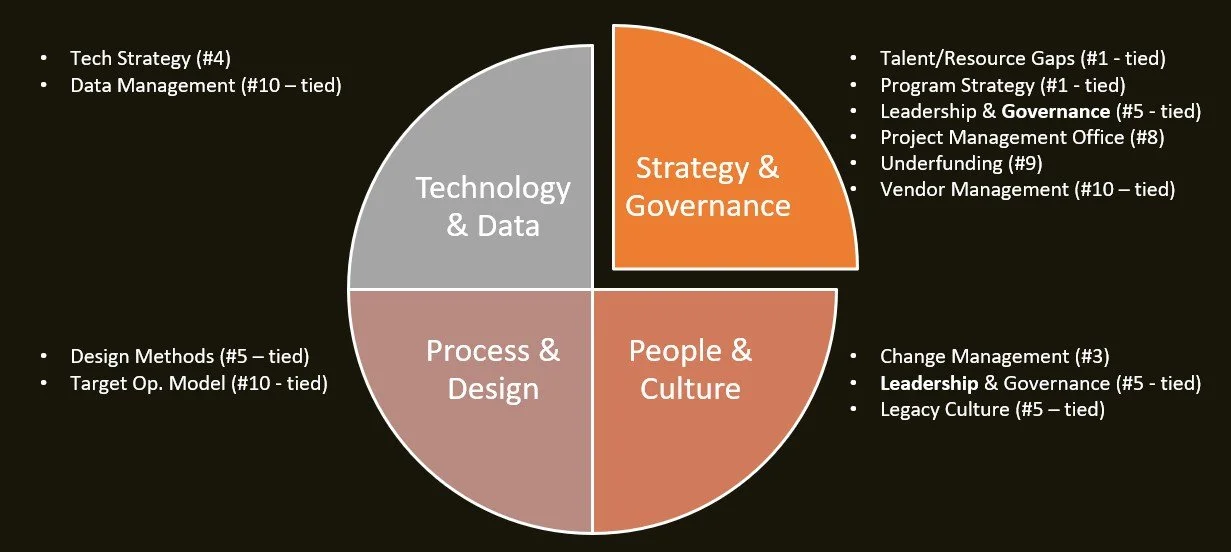
Figure 2. Figure 2. Four categories of risk
Strategy & Governance and People & Culture account for most of the risks. This reinforces an important point: technology is rarely the main reason transformations fail. More importantly, this view helps leaders identify which teams have the strongest capabilities, where the biggest gaps sit, and who is best positioned to mitigate them.
1. Strategy & Governance – these risks are the primary responsibility of the program leadership team who sponsor the transformation, set priorities, fund the work, and assign resources. This includes program sponsors, steering/operating committee(s) and the project management or delivery office (PMO)
2. People & Culture – these risks are the primary responsibility of the change management office (CMO) who prepare stakeholders and end users for the new operating model
3. Process & Design – these risks are the primary responsibility of the product or functional teams who deliver business value through solutions and services
4. Technology & Data – these are the primary responsibility of the platform or technical team(s) who provide enabling technology, integrations, and data capabilities
Where to start: assess the teams that carry the risk
A simple self-assessment is a strong place to begin: Where are your biggest strengths and gaps across the 12 risks? Are decision rights clear? Which risks are most likely (probable) and most damaging (impact)? The answers will help you define your program’s risk profile and decide where mitigation should come first.
If you would like help understanding your program’s risk profile please contact us.
Once the risk profile is clear, the focus shifts from diagnosis to action. Two strategies used by successful organizations are Phase 0 planning, which reduces risk before delivery begins, and a Product Operating Model, which reduces risk through the way delivery is structured and governed.
How Phase 0 Planning helps reduce these risks
Phase 0 planning reduces risk by creating alignment before delivery begins. Done well, it clarifies business outcomes, scope, governance, readiness, roadmap decisions, and resourcing assumptions before teams move into execution. It does not eliminate every risk, but it significantly lowers the chance that major issues will surface during implementation, when they are more expensive and disruptive to fix. Table 1 summarizes where Phase 0 planning has the greatest effect.
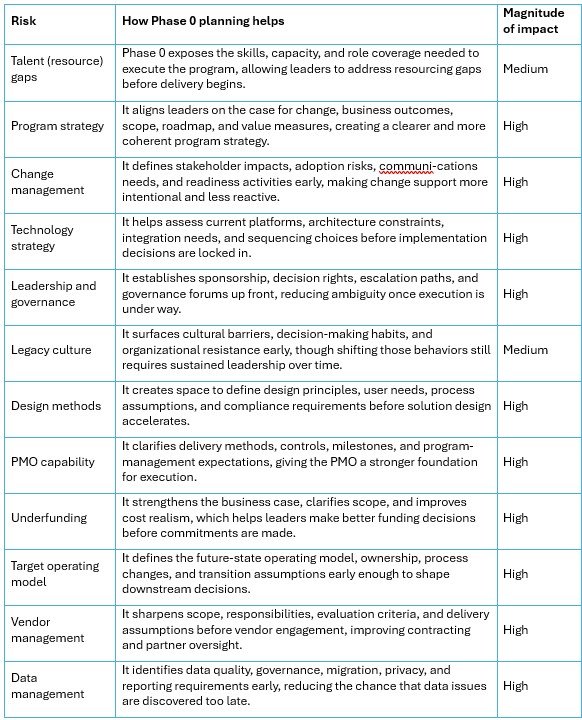
Table 1. How Phase 0 Planning helps address digital transformation risks
How a Product Operating Model helps reduce these risks
A Product Operating Model (POM) helps reduce many of these risks by organizing work around customer and business outcomes, empowering cross-functional teams, shortening feedback loops, and clarifying governance, funding, and accountability. Its impact is not uniform across all risks, however. Some risks are directly reduced by the model itself, while others depend more on leadership discipline, investment choices, or enterprise capabilities beyond the product teams. Table 2 summarizes where the model has the greatest effect.
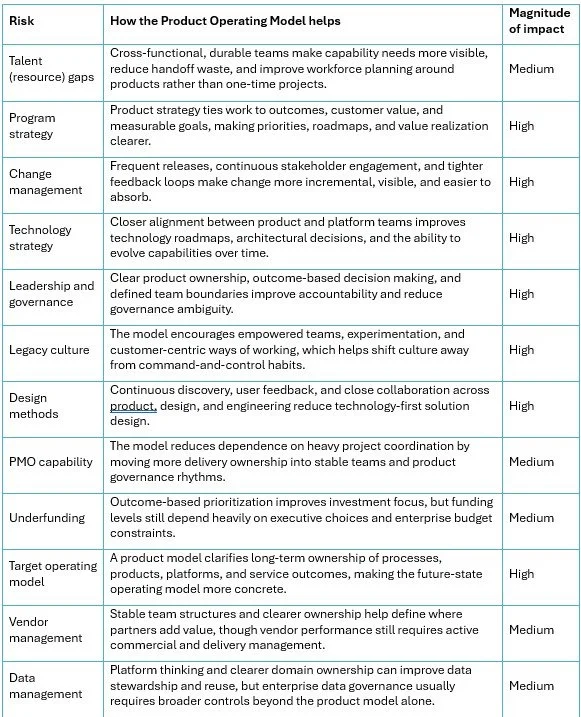
Table 2. How a Product Operating Model (POM) helps address digital transformation risks
If you would like help better understanding how these two strategies can help derisk your transformation program, please contact us.
Final summary
Digital transformation success starts with understanding the program’s risk profile. Organizations improve their odds when they identify the risks most likely to affect outcomes, assess where they already have strengths, surface the gaps that need attention, and mitigate accordingly. In practice, that means looking beyond technology alone and examining the strategy, governance, people, process, and data capabilities required to deliver sustainable change.
Two strategies used by successful organizations are Phase 0 planning and the Product Operating Model. Phase 0 planning reduces risk before implementation starts by aligning leaders on outcomes, scope, governance, readiness, and resourcing. The Product Operating Model reduces risk during delivery by creating clearer ownership, stronger cross-functional execution, and tighter links between strategy, delivery, and value realization. Together, these approaches help organizations move from reacting to risks late to managing them deliberately from the start.
-Kevin Copithorne
References:
Digital HR Strategy, Soumyasanto Sen, Kogan Page, 2020
Rewired (2nd Edition), E. Lamarre, K. Smaje, R. Levin, Wiley, 2026
Why Digital Transformations Fail, Tony Saldanha, Berrett-Koehler, 2019
Reasons why digital transformations fail - downloaded November 10, 2023 (OpenAI - Feb, 7 2024): Boston Consulting Group; CIO.com; CMS Wire; Forbes, Forbes, Forbes, Forbes; HR Executive; HR World; HR Economic Times; IDC; McKinsey; OpenAI.com; TechTarget